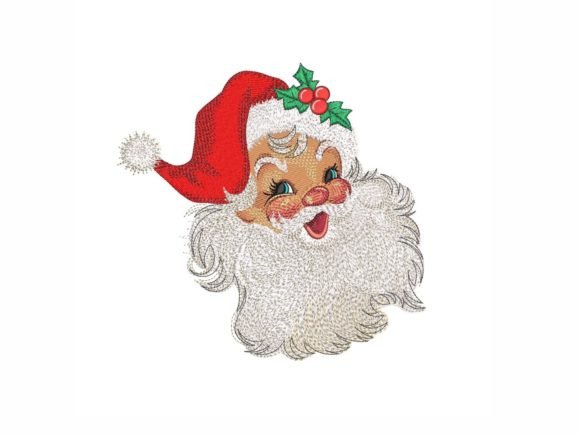
Retro Santa
As an experienced embroidery designer who has spent years crafting digital assets for small business owners, I approach every new design with a critical eye. When I first encountered the Retro Santa machine embroidery design, my immediate thought was not just about holiday cheer, but about its potential as a strategic brand asset. In the world of handmade products and boutique merchandise, the difference between a generic decoration and a memorable brand element often comes down to style, versatility, and execution. This review breaks down how this vintage-inspired piece performs in real-world commercial applications.
First Impressions: A Vintage Branding Opportunity
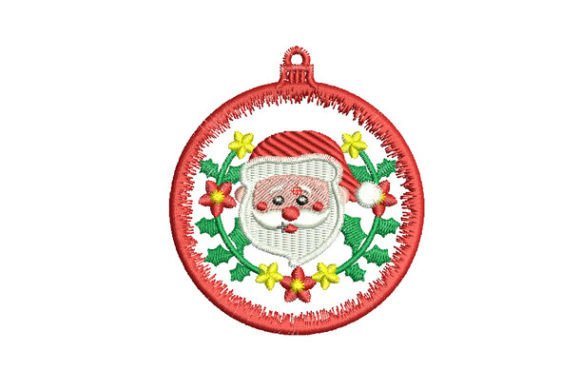
The description promises nostalgia, and that is exactly what the visual language delivers. For a small business owner looking to create a cohesive identity, the Retro Santa design offers a distinct personality that feels both premium and approachable. Unlike modern, sleek vector graphics, this design leans into a rustic, classic aesthetic that resonates deeply with customers seeking authentic, handmade experiences. It strikes a balance between playful and professional, making it an ideal candidate for brands that want to evoke warmth without sacrificing quality.
When evaluating this as a design asset, the "vintage-inspired" aspect is crucial. It suggests a timeless appeal that can work well for bakeries, florists, pet brands, and creative studios. The jolly nature of the figure allows it to function as more than just a seasonal sticker; it becomes a character that customers can recognize and trust year after year. This emotional connection is the foundation of strong brand identity.
Real-World Applications for Small Business Merch
The true value of a digital embroidery file lies in its adaptability across various product lines. I have analyzed how Retro Santa translates from a screen image to a finished physical product, and the results are promising for several key categories.
- Embroidered Patches: This design shines when converted into an embroidered patch. Whether sewn onto denim jackets, leather bags, or used as a logo accent on uniforms, the retro style holds up well against the texture of heavy fabrics. It adds a tactile dimension that print cannot replicate.
- Staff Uniforms and Aprons: For a café or bakery, placing a subtle version of this design on the chest of a staff shirt or the bib of an apron creates a unified team look. It signals to customers that the business cares about details. An apron embroidery featuring this motif can turn a functional garment into a walking advertisement for your brand.
- Cap Embroidery: The front panel of a cap is prime real estate. A well-executed cap embroidery of Retro Santa can become a signature item for holiday pop-up shops or seasonal events. Its rounded, friendly shape fits naturally within the curved canvas of a hat brim.
- Tote Bag Design: Tote bags are a staple of small business merch. This design works beautifully as a central focal point on a canvas tote. It elevates a simple bag into a collectible item that customers will want to use daily, extending your brand's visibility beyond the store.
- Product Packaging Accents: Consider using this design on hang tags or fabric labels attached to your products. A small, tasteful touch of embroidery on packaging adds a layer of luxury and care that buyers appreciate.
Strategic Considerations and Limitations
While the potential is high, a professional review must address where caution is required. Not every application is suitable for every design. To ensure the finished product maintains its quality, you must be mindful of specific constraints.
Size and Detail: If you plan to use this as a tiny detail on a sleeve or a small button, you must test the resolution carefully. Complex outlines and fine details in retro designs can sometimes blur or merge when scaled down too much. Always check if the design remains legible at the intended size before committing to mass production.
Fabric Texture and Color: The performance of thread colors depends heavily on the base material. On dark uniforms, you may need additional underlay stitches to prevent the design from sinking into the fabric. Similarly, textured fabrics like heavy wool or coarse linen can distort the stitch pattern if not stabilized correctly. Ensure you select a stabilizer that matches the weight and stretch of your fabric.
Wash Durability: For items that require frequent washing, such as work shirts or aprons, the stitch density matters. High-density areas can cause puckering over time. Review the design to ensure the spacing allows for proper thread tension, preventing the embroidery from cracking or peeling after multiple washes.
Impact on Brand Identity and Customer Trust
In the competitive landscape of Etsy sellers and product designers, visual consistency is key. Using a cohesive set of design assets helps build recognition. The Retro Santa design, with its nostalgic charm, reinforces a narrative of tradition and craftsmanship. This perception directly influences customer trust; a client is more likely to pay a premium for a product that looks professionally finished and thoughtfully designed.
Furthermore, a high-quality commercial embroidery project demonstrates respect for the craft. Customers can feel the difference between a poorly executed logo and one that sits perfectly on the fabric. By choosing a design that balances artistic flair with technical feasibility, you signal professionalism. This attention to detail enhances the perceived value of your goods, turning a simple purchase into a memorable experience.
Practical Designer Notes for Production
Before integrating Retro Santa into your inventory, follow these essential steps to guarantee success. These guidelines are based on industry standards for custom apparel and branded goods.
- Test in Black and White: Convert the design to grayscale to check contrast. If the elements do not stand out clearly without color, the final result may lack impact on certain fabrics.
- Verify File Specifications: Check the exact stitch count, hoop size, and recommended file format. Since these specifics were not detailed in the initial product description, you must verify them with the provider to avoid machine errors.
- Mockup for Approval: Create a printable mockup to show clients or stakeholders. Visualizing the design on a tote bag or cap before production saves time and prevents costly mistakes.
- Confirm Licensing: Ensure you have the correct commercial licensing rights. Using a design for merchandise requires explicit permission to sell products bearing the artwork.
- Inspect Spacing and Density: Look closely at the stitch density. Areas that are too crowded can lead to thread breakage or fabric distortion. Adjust the placement to ensure there is adequate breathing room around the design.
- Test on Real Fabric: Never skip a sample run. Stitch the design on the actual fabric you intend to use, including the chosen stabilizer. This reveals any issues with puckering or thread tension that a digital preview cannot show.
By treating the Retro Santa design as a serious component of your brand strategy rather than just a decorative add-on, you unlock its full potential. Whether used for a limited holiday collection or as part of a year-round uniform line, this design offers a unique blend of nostalgia and professionalism. With careful planning and attention to technical details, it can become a standout feature in your handmade product lineup, driving engagement and loyalty among your customer base.