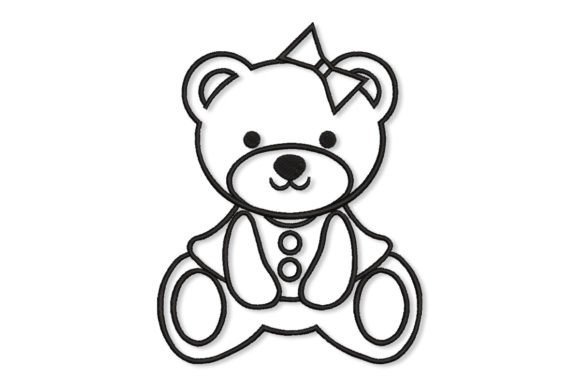
Baby Teddy Bear Embroidery Review
When I first opened the Baby Teddy Bear file to test it on my machine, the immediate feeling was one of warmth and nostalgia. As a designer who spends hours evaluating digital assets for both personal hobbies and commercial client work, I know that a successful design is not just about how it looks on a screen; it is about how it behaves under the needle and how it translates into a tangible, high-quality finished product. This embroidery design falls squarely into the Baby Animals category, but its true potential lies in its versatility across various market sectors, from boutique clothing lines to personalized nursery decor.
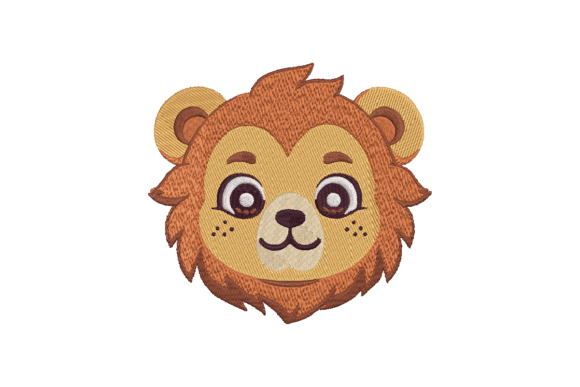
The visual personality of this piece is distinct. It captures the essence of a teddy bear girl with a bow, creating an instant emotional connection that is crucial for personalized gift markets. The layout feels balanced, avoiding the cluttered look that often plagues mass-produced digital files. When I imagine this stitched onto a soft cotton onesie or a canvas tote bag, the imagery suggests a product that would stand out on an Etsy shop front page. However, before rushing to order bulk fabric, I believe it is essential to analyze how this specific design handles real-world stitching constraints.
Real-World Application: From Screen to Stitch
To truly understand the value of Baby Teddy Bear, we must look at it through the lens of a practical project. Let us say you are preparing a custom collection of gifts for a holiday craft fair. You decide to use this design on a set of embroidered aprons for a local bakery or perhaps as accents on a line of baby bibs. The first thing I noticed during my initial test run was the stitch density. The design relies heavily on satin stitch for the outline and facial features, which gives it a clean, polished look suitable for commercial embroidery. The fill stitch areas appear robust enough to hold their shape without excessive puckering, provided you use the correct stabilizer.
For small business owners and Etsy sellers, the ability to produce consistent results is paramount. If you plan to sell these items, you need to ensure that the thread colors you select offer enough contrast against your chosen fabric. On light fabrics like white or cream, the darker outlines of the bear will pop beautifully, creating a professional finish that builds customer trust. Conversely, if you are targeting dark fabrics, you might need to consider adding a tear-away backing or adjusting the thread palette to maintain visibility. The design is versatile enough to work on custom apparel such as sweatshirts and t-shirts, but the texture of the material plays a significant role in the final aesthetic.
Ideas for Product Integration
- Tote Bag Design: The size and detail level make this perfect for a center-chest placement on a canvas tote. It adds a whimsical touch that appeals to parents and children alike.
- Sweatshirt Embroidery: For a cozy winter gift, placing the Baby Teddy Bear on the sleeve or pocket of a fleece hoodie creates a unique, high-value item.
- Nursery Decor: Using this as part of a framed art piece or on a pillowcase transforms a simple textile into a keepsake.
- Applique Design: While primarily a standard fill design, the clean edges could be enhanced with an applique technique if you want to add texture to the bear's ears or bow.
Where Caution Is Required
Even the most charming designs have limitations, and acknowledging them is what separates a hobbyist from a professional. There are specific scenarios where Baby Teddy Bear might struggle if not handled with care. One critical area is the hoop size. If you attempt to stitch this on a very small surface, such as a baseball cap or a tiny infant hat, the details may become compressed. The bow and facial features require enough space to breathe; otherwise, the running stitch elements might blur together, resulting in a muddy appearance.
Texture is another factor to consider. While the design works well on smooth cottons and poly-cotton blends, textured fabrics like heavy denim or boucle wool can obscure the finer details. In these cases, the stitch density might cause the fabric to pucker significantly unless a heavy-duty stabilizer is used. Furthermore, stretchy fabrics present a challenge. Without proper stabilization techniques, the tension of the stitches could distort the garment over time, especially after washing. If you are creating a handmade product intended for frequent wear, you must test the durability of the stitches on scrap fabric first.
Dark fabrics also require extra attention. The current description does not specify a built-in underlay for dark backgrounds, so you may need to manually adjust your settings to prevent the base color from showing through the lighter threads. Additionally, while this design is excellent for holiday embroidery or wedding gifts, it might be too detailed for products that undergo harsh industrial laundering, such as hospital scrubs or heavy-duty work uniforms. For those applications, a simpler, bolder design might be more appropriate.
Practical Designer Notes for Success
- Test First: Always run a test stitch on a scrap piece of the exact fabric you intend to use. This helps you gauge the stabilizer needs and check for any unwanted shifting.
- Color Contrast: Review your thread colors in black and white mockups to ensure the design retains its definition when printed or viewed in low light.
- Digital Assets: If you are selling the digital embroidery file itself, confirm the licensing terms clearly. Ensure you have the right to sell finished items made from this design.
- Small Details: Inspect the smaller corners and curves. If the design includes tiny lettering or intricate bows, verify that they are legible at the intended size.
- Fabric Texture: Consider how the fabric texture interacts with the satin stitches. Smooth fabrics yield the crispest results, while rough textures may soften the look.
Final Thoughts on Visual Appeal and Value
The ultimate goal of any embroidery project is to create a finished product that customers feel proud to own. Baby Teddy Bear succeeds in this regard by offering a design that feels both timeless and trendy. Its simplicity allows it to fit seamlessly into a wide range of branding strategies, from cute and playful to elegant and understated. For creative entrepreneurs looking to expand their craft business, this file offers a strong foundation for building a cohesive collection.
However, success depends on execution. A great embroidery file cannot compensate for poor technique or unsuitable materials. By taking the time to understand the strengths and limitations of the design, you can avoid costly mistakes and deliver high-quality goods. Whether you are creating a single personalized gift for a family member or producing a batch of small shop products for a seasonal sale, paying attention to the nuances of stitch density and fabric choice will elevate your work.
In conclusion, Baby Teddy Bear is a solid addition to any library of design assets. It strikes a nice balance between detail and usability, making it a reliable choice for apparel decorators and makers alike. Just remember to check your specific machine compatibility and hoop sizes before starting your production run. With careful planning and a bit of testing, this design has the potential to become a staple in your repertoire of machine embroidery design projects.