Farm Frash Christmas Trees Design Review
As an experienced embroidery designer who has spent years refining the visual language of small business merchandise, I recently had the opportunity to evaluate a design titled Farm Frash Christmas Trees. When a brand reaches out for a holiday collection, the stakes are high. The design must not only look festive but also withstand the rigors of production and maintain its integrity on everything from aprons to embroidered patches. This review breaks down how this specific motif performs in real-world commercial applications, focusing on its potential for branded patches, staff uniforms, and product labels.
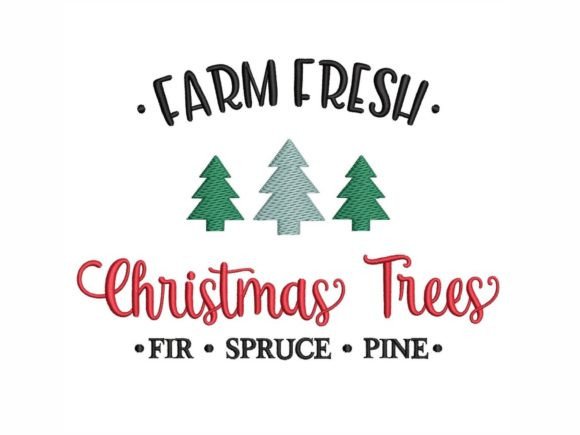
The first impression of Farm Frash Christmas Trees is one of immediate rustic charm. The description promises a "cozy, country Christmas," and visually, that sentiment translates well into stitch work. In the world of handmade products and boutique branding, there is a distinct difference between a generic holiday graphic and a design that feels authentic. This design leans heavily into the "farmhouse" aesthetic, which is currently dominating the market for small business merch. It strikes a balance between being playful enough for a children's bakery and professional enough for a local florist or creative studio. It avoids looking overly ornate, which is a crucial trait for a design intended to be used as a subtle accent rather than the main event.
Real-World Applications for Small Business Merch
When evaluating a digital embroidery file for commercial use, we must ask: where does it fit best? For a small café or a handmade shop, Farm Frash Christmas Trees offers versatile placement options. Imagine a barista wearing a black apron with this design stitched subtly on the chest pocket. The rustic nature of the trees complements the utilitarian feel of kitchen wear without overpowering the garment. Similarly, for a boutique selling organic goods, using this as a label sewn into packaging or as a mark on a tote bag design creates a cohesive brand story.
The design also shines when translated into an embroidered patch. Many small businesses rely on patches to create a sense of community among their staff or to sell as standalone merchandise to loyal customers. Because the motif captures a specific spirit—the cozy, country vibe—it works exceptionally well on denim jackets, canvas bags, or even the back of a cap. It serves as a conversation starter, signaling to the customer that the brand values tradition and authenticity. For Etsy sellers and craft business assets, having a design like this allows you to offer personalized gifts that feel bespoke rather than mass-produced.
However, versatility comes with caveats. If you are planning to use this for uniform embroidery on high-traffic items, consider the durability of the stitch density. A design meant for a decorative tote bag might need adjustments if it is going onto a work shirt that will undergo frequent washing. The rustic texture implied by the design name suggests it may benefit from a slightly looser stitch pattern to mimic hand-stitched looks, but this must be balanced against the risk of thread breakage during heavy industrial laundering.
Strategic Brand Identity and Customer Trust
In the current marketplace, visual consistency is the backbone of brand identity. Customers today are savvy; they can tell the difference between a high-quality finish and a rushed job. Using Farm Frash Christmas Trees effectively can elevate your product value. When a customer sees a crisp, well-placed design on a custom apparel item, it reinforces trust in the quality of the actual product inside the box. It signals that the business cares about details.
This design specifically enhances the "handmade product" narrative. In an era of automated manufacturing, a design that evokes a farm-fresh, country aesthetic helps a small business stand out. It appeals to buyers who prioritize local, artisanal, and eco-friendly vibes. Whether it is a pet brand launching a holiday collection or a florist adding a seasonal touch to their delivery bags, the design acts as a visual shorthand for warmth and hospitality. It transforms a simple logo into a branded asset that tells a story before the customer even reads the text.
Technical Considerations for Commercial Embroidery
Before committing to a full production run, every designer knows the importance of due diligence. Here are critical notes for anyone looking to implement Farm Frash Christmas Trees into their workflow:
- Test in Black and White First: Always digitize or test the design in monochrome to ensure the contrast holds up regardless of thread color choices. A design that looks vibrant in color might lose definition if the background fabric is dark.
- Check Stitch Density: High stitch density can make a design look stiff and unnatural, especially on flexible fabrics like caps or tote bags. Ensure the file provided has appropriate density to allow the fabric texture to show through slightly, maintaining that rustic feel.
- Verify Hoop Size and Spacing: Confirm the hoop size required for the final output. If the design is too large for a standard cap front or too small for a chest logo, it will fail to deliver the intended impact. Inspect the spacing between elements to prevent thread clumping.
- Stabilizer Selection: The choice of stabilizer is paramount. For curved surfaces like hats, a cut-away stabilizer is often necessary to prevent puckering, while tear-away might suffice for flat items like aprons. Test on the actual fabric texture you intend to use.
- Create a Printable Mockup: Before stitching, generate a printable mockup for client approval. This allows you to visualize the finished product on different garments and ensures the design scales correctly.
- Commercial Licensing: Crucially, confirm the commercial licensing terms of the digital embroidery file. Ensure you have the right to use the design on items for sale, including embroidered patches and custom apparel.
Potential Pitfalls and Placement Warnings
While Farm Frash Christmas Trees is a strong candidate for many projects, there are areas where caution is advised. Avoid using this design for tiny lettering or extremely small patch sizes (under 2 inches). Fine details tend to get lost in the stitching process, resulting in a muddy appearance that undermines professionalism. Similarly, be wary of placing intricate designs on highly textured fabrics, such as thick wool or heavy canvas, unless the digitization accounts for the fabric's irregular surface.
Dark uniforms present another challenge. If the design relies on light thread colors for highlights, it may lack visibility on black or navy shirts. Conversely, dark threads on light backgrounds can sometimes appear too heavy if the fill stitches are not optimized. Always test thread color contrast before finalizing the order. Additionally, for items that require frequent washing, such as chef coats or work shirts, ensure the design is anchored properly to prevent distortion over time.
Conclusion for Designers and Merch Creators
The Farm Frash Christmas Trees design represents a solid opportunity for small business owners and embroidery shops looking to capitalize on the holiday season. Its rustic charm aligns perfectly with current trends in handmade branding and boutique aesthetics. By treating it as a strategic brand asset rather than just a decoration, you can enhance customer engagement and project a professional image.
Whether you are creating a limited run of embroidered patches for a local event, designing a new line of tote bags for a craft fair, or updating your staff uniforms, this design offers a unique visual personality. Just remember to validate the technical specifications—stitch count, file format, and hoop size—with the provider before production. With careful planning and proper execution, Farm Frash Christmas Trees can become a signature element of your holiday collection, driving recognition and loyalty for your brand.