Baby Boo Embroidery Design Review
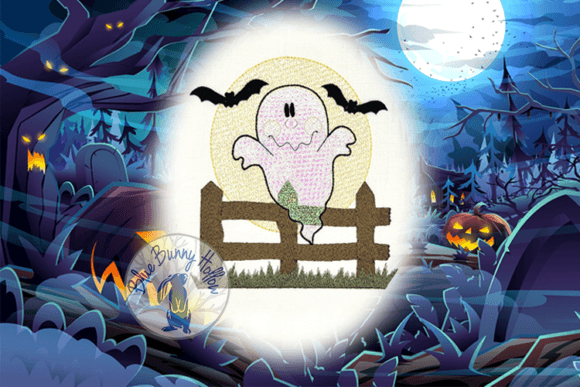
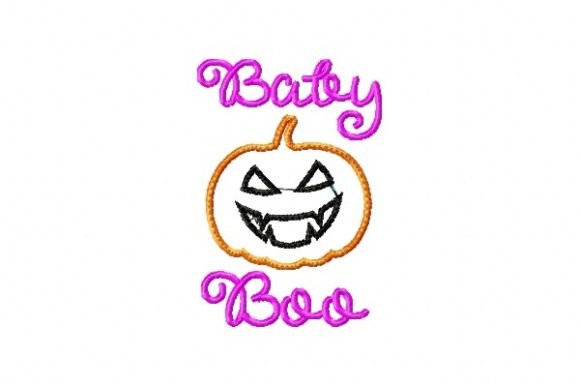
Stepping up to a craft fair booth requires more than just good products; it demands items that stop a passerby in their tracks. As an experienced embroidery designer who has spent countless weekends behind tables, I know the difference between a design that sits on a shelf and one that flies off the display rack. Today, I am reviewing the Baby Boo machine embroidery design with a critical eye. This cute embroidery of baby boo will add a friendly and playful accent to any fabric, making it a prime candidate for seasonal markets. But does it truly deliver on its promise as a bestseller? Let's dive into the practicalities of turning this digital file into a tangible, profitable handmade product.
The First Impression: Playful and Perfectly Seasonal
When I first opened the embroidery file for Baby Boo, the immediate feeling was one of approachable charm. The description promises a "friendly and playful accent," and visually, it delivers exactly that. In the chaotic environment of a Halloween market, where designs can often lean too heavily into spooky or gore-filled themes, Baby Boo stands out by being sweet rather than scary. It feels festive yet soft, fitting perfectly into the modern farmhouse aesthetic that is so popular among boutique makers right now.
This design is not trying to be a massive focal point; instead, it excels as a delightful detail. It strikes a balance between decorative and minimal, which is crucial for today's consumers who want quality without clutter. For an Etsy seller looking to refresh their shop with seasonal inventory, this design offers a unique niche. It captures the spirit of Halloween without alienating customers who prefer subtle holiday accents over loud costumes. The visual appeal suggests high value, promising a finished product that looks professionally crafted and thoughtfully designed.
Product Versatility: Where Baby Boo Shines
The true test of any commercial embroidery design is its adaptability. Can it work across different mediums? My assessment of Baby Boo indicates strong potential across a wide range of craft fair products. Because it is described as adding a "playful accent," it naturally gravitates toward smaller surface areas where it can shine without overwhelming the item.
- Tote Bag Design: A tote bag is a staple at every craft fair. Placing Baby Boo on the front pocket or center of a canvas tote creates an instant hit. It appeals to parents and children alike, making it a perfect gift item. The design's playful nature ensures it photographs beautifully for online listings and social media marketing.
- Apron Embroidery: Kitchen aprons are another high-demand category. Stitching this adorable embroidery on children's clothing or adult aprons adds a touch of personality. The design works well as a small chest pocket accent or a centered motif on a bib apron, offering great visual interest for busy kitchens during the holidays.
- Tea Towel Embroidery: Tea towels are low-cost, high-margin items. Baby Boo fits perfectly here, acting as a charming decoration that doesn't require excessive stitching time. It transforms a basic kitchen towel into a giftable handmade item that buyers can take home immediately.
- Embroidered Patch: If the design files include a clean edge or if you plan to back them, these could be sold as iron-on patches. They are excellent additions to denim jackets, beanies, or backpacks, expanding your product line beyond traditional textiles.
- Small Pouches and Pillow Covers: For the creative entrepreneur, small pouches for cosmetics or jewelry make excellent impulse buys. Similarly, pillow covers allow the design to serve as a cozy accent piece for home decor. These items often sell quickly because they feel personal and luxurious.
Production Realities and Selling Strategy
From a production standpoint, efficiency is key to maintaining healthy profit margins. Baby Boo appears to be optimized for batch production. Its clear, defined lines suggest that it should stitch out cleanly and consistently, which is vital when you are running multiple units for a weekend booth. However, before committing to a full run, you must consider how the design translates to physical reality.
One of the most important aspects of selling handmade goods is how they photograph. Baby Boo's friendly aesthetic makes it highly photogenic. Whether you are creating printable mockups for your Etsy listing or taking photos for Instagram, the design's playful character will draw the eye. Customers scanning through a crowded marketplace or scrolling through a feed need to understand the vibe instantly. This design communicates joy and whimsy at a glance, increasing the likelihood of a sale.
For the small shop owner, the repeatability of the design is a major plus. You can create variations by simply changing the thread colors. Using contrasting thread colors against dark fabrics can make the design pop, while tonal threads offer a sophisticated look. The ability to customize color palettes allows you to target different demographics, from toddlers to adults, ensuring a broader customer base.
Critical Considerations for Quality Control
While the concept is sound, no design is perfect until it is tested on actual fabric. As a professional reviewer, I must advise caution regarding specific technical details. You need to inspect the stitch density carefully. Dense stitch areas can sometimes cause puckering, especially on thinner fabrics like lightweight tees or delicate cottons. If the design features tiny details or small lettering, ensure they remain legible after stitching. At smaller sizes, intricate elements can blur together, losing the clarity that makes the design attractive.
Fabric texture plays a significant role in the final outcome. Textured towels or thick denim might hide the definition of the stitches, whereas smooth cotton or linen will showcase the design's best features. When working with curved surfaces like caps, the design may need adjustment to lay flat without distortion. Always check the hoop size requirements to ensure the design fits within standard commercial hoops, avoiding unnecessary re-hooping which can lead to misalignment.
Another crucial step is testing the stabilizer choice. Using the wrong stabilizer can result in a stiff, uncomfortable finished product or, worse, a design that fails to hold up after washing. Ensure you use a stabilizer appropriate for the weight of your fabric. If you are planning to sell these items commercially, confirm the commercial licensing terms included with the digital embroidery file. Some licenses restrict resale, while others allow unlimited production. Ignoring this can lead to legal issues down the road.
Final Verdict for Craft Fair Sellers
Baby Boo is a strong contender for your next craft fair or holiday market. It hits the sweet spot between seasonal relevance and year-round appeal. Its friendly and playful nature resonates with families, making it a safe bet for parents looking for gifts. For the digital seller, it offers versatility for creating downloadable assets or finished goods.
To maximize success, start by creating at least one real mockup using the intended fabric and thread colors. Compare the results against your expectations. Does it look as good in person as it did on the screen? Is the contrast sufficient? Once you have confirmed the quality, you can confidently produce a batch for your booth. With the right execution, Baby Boo will not only stand out but also become a signature item that brings customers back for more.
Remember, the success of a craft fair product lies in the details. By paying attention to thread contrast, spacing, and fabric selection, you transform a simple machine embroidery design into a premium handmade product. Baby Boo has the potential to be that standout piece that turns casual browsers into loyal buyers.