Gingerbread Christmas Drink Design Review
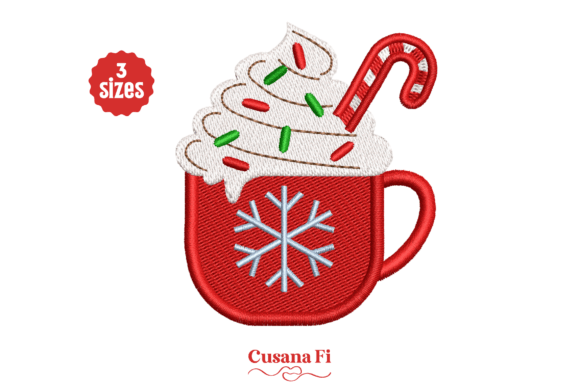
As an experienced embroidery designer who has spent years refining designs for small business merchandise, I often look beyond the visual appeal of a pattern to understand its commercial viability. Today, I am reviewing the Gingerbread Christmas Drink machine embroidery design. This piece, described as a festive hot chocolate creation perfect for holiday festivities, offers a unique opportunity for brands looking to capitalize on the winter season. Whether you are an Etsy seller, a boutique owner, or a uniform decorator, understanding how this embroidery file translates from a digital concept to a finished product is crucial.
First Impressions and Brand Personality
The title Gingerbread Christmas Drink immediately evokes warmth, nostalgia, and comfort. In the context of brand identity, this design feels friendly, rustic, and inviting rather than strictly corporate or modern. It possesses a playful yet elegant quality that suggests a handmade product. For a small business, this visual personality is a significant asset. It signals to customers that the brand values tradition and cozy experiences.
When evaluating the design's potential for brand identity, it stands out as a strong candidate for businesses in the food and beverage sector, such as cafés, bakeries, or hot chocolate bars. The imagery aligns perfectly with the sensory experience of sipping a warm drink during the holidays. However, its versatility extends further. A florist, a pet brand, or a creative studio could also leverage this design asset to create seasonal customer gifts or event merchandise without losing their professional edge. The design strikes a balance between decorative charm and professional polish, making it suitable for both casual apparel and branded product labels.
Real-World Business Applications
In my review of commercial embroidery projects, I consider where a design adds the most value. The Gingerbread Christmas Drink design excels in several specific areas of small business merch.
- Embroidered Patches: This design is ideal for creating high-quality embroidered patches. These can be applied to denim jackets, tote bags, or used as a premium add-on for limited edition holiday collections. A patch featuring this motif serves as a collectible item that increases the perceived value of the finished product.
- Staff Uniforms and Aprons: For a café or bakery, incorporating this design into apron embroidery creates a cohesive team look. It transforms a standard work shirt into a branded uniform that customers instantly recognize. The cheerful nature of the design boosts staff morale and enhances the customer service experience.
- Cap Embroidery: The central placement of the gingerbread drink makes it a strong focal point for cap embroidery. It works well as a chest logo accent or a primary design on the front panel, offering a subtle nod to the season that doesn't overwhelm the wearer.
- Tote Bag Design: Tote bags are a staple for craft business assets. Using this digital embroidery file on canvas totes creates a practical and attractive giveaway for local markets or pop-up shops.
- Product Packaging Accents: Beyond apparel, this design can be stitched onto fabric tags attached to gift boxes or wrapped around product packaging. This attention to detail elevates the unboxing experience and reinforces customer trust through a polished presentation.
Strategic Considerations for Commercial Use
While the design has broad appeal, there are specific scenarios where caution is required. When planning for custom apparel or items that require frequent washing, the stitch density and outline details must be scrutinized. Designs with intricate outlines can sometimes blur when embroidered on textured fabrics or when subjected to heavy wear.
If you intend to use this for tiny lettering or very small patch sizes, testing is non-negotiable. Small details may get lost if the hoop size is too small or if the stabilizer choice is incorrect. Additionally, dark uniforms present a challenge; the thread colors must offer sufficient contrast to ensure the gingerbread elements remain visible and crisp. If the design relies on fine lines, these might disappear on coarse textures like heavy denim or thick fleece unless the digitizing is optimized for those specific materials.
Impact on Customer Engagement and Value
A well-executed embroidery project does more than just decorate; it communicates professionalism. When a customer receives a tote bag or a hat featuring the Gingerbread Christmas Drink design, they are receiving a tangible piece of your brand story. High-quality stitching demonstrates care and attention to detail, which directly influences buyer engagement.
For sellers on platforms like Etsy, having a consistent visual language across all design assets is vital. If your shop sells holiday-themed goods, using a design that matches your aesthetic ensures visual consistency. This consistency builds recognition over time. Customers begin to associate the cozy imagery of the gingerbread drink with your specific brand, leading to increased loyalty. Furthermore, a professionally embroidered item commands a higher price point than a printed one, allowing you to increase the profit margin on your handmade product line.
Practical Designer Notes for Production
Before moving forward with any commercial production run, I strongly advise following a rigorous testing protocol. As a designer, I never skip these steps to ensure the final output meets industry standards.
- Test in Black and White: First, stitch the design in monochrome to check the layout and spacing. This helps identify any issues with density or overlapping stitches before committing to expensive colored threads.
- Check Small Size Performance: Create a mockup at the intended patch size. Ensure that the finer details of the gingerbread cup and steam do not merge together. If the design looks muddy at a small scale, it may need to be simplified or resized.
- Review Thread Color Contrast: Select thread colors that pop against your target fabric. If you are working with dark uniforms, ensure the lighter threads have enough coverage to prevent the background fabric from showing through.
- Inspect Spacing and Hoop Size: Confirm that the hoop size accommodates the design without excessive trimming. Uneven tension caused by a tight hoop can distort the shape of the drink illustration.
- Test on Real Fabric: Do not rely solely on digital previews. Stitch the design on the actual fabric texture you plan to use. Different materials react differently to stabilizer types, and a design that looks great on cotton might pucker on polyester blends.
- Create a Printable Mockup: Before mass production, generate a printable mockup for client approval. This allows stakeholders to visualize the design on the final product, such as an apron or cap, ensuring it aligns with their vision.
- Compare with Other Assets: Place this design beside your existing logos and graphics. Does it fit the overall brand palette? Is the style complementary?
- Confirm Commercial Licensing: Finally, verify the licensing terms of the embroidery file. Ensure you have the right to use the Gingerbread Christmas Drink design for commercial purposes, including selling items with the embroidery on them.
The Gingerbread Christmas Drink machine embroidery design holds significant promise for businesses looking to enhance their holiday offerings. By carefully considering the application, fabric choices, and production techniques, you can transform this digital asset into a powerful tool for brand building. Whether used on a cozy pair of pajamas, a work apron, or a branded patch, the key lies in execution. With the right approach, this design can become a signature element of your seasonal collection, driving sales and delighting customers.