Feeling a Little Hollow: A Designer's Honest Review
As an embroidery designer who spends countless hours testing files for commercial projects, I approach every new download with a mix of excitement and skepticism. When I first encountered Feeling a Little Hollow on Creative Fabrica, the title alone caught my attention. It promised a hauntingly delightful vibe that could easily transform a standard seasonal item into something memorable. But does this design hold up under the pressure of real-world production? After running several test stitches and imagining it on various products, here is my honest evaluation.
The First Impression: Mood and Visual Appeal
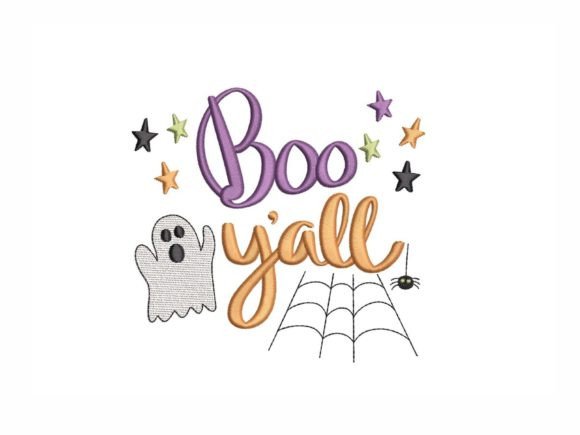
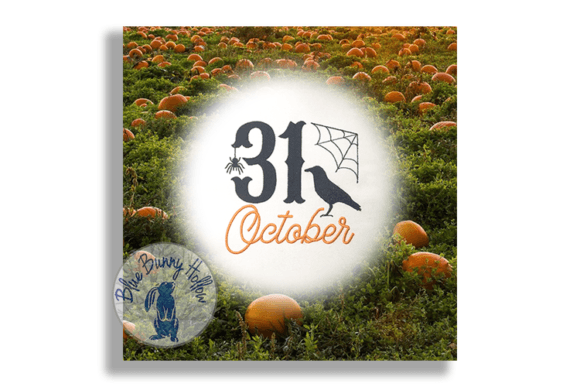
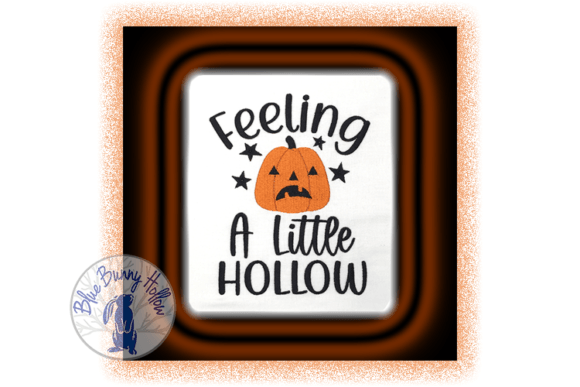
The moment you unbox or preview Feeling a Little Hollow, the visual mood is distinct. Unlike generic pumpkin motifs, this design carries a specific narrative weight. It feels perfect for adorning fabrics where you want to tell a story rather than just add a logo. The aesthetic leans into the spooky side of Halloween without being overly aggressive, making it versatile enough for home décor as well as apparel.
From a design perspective, the layout suggests a balance between decorative flair and wearability. For those of us creating handmade gifts or boutique merchandise, this kind of personality is gold. It naturally fits into projects where the customer wants a touch of bewitching charm but doesn't want their item to look like a costume. Whether you are planning a tote bag design or a custom sweatshirt, the initial visual impact suggests high engagement potential in product photography.
Real-World Application: From Tote Bags to Aprons
I often ask myself: "Where would I put this if I had a rush order tomorrow?" With Feeling a Little Hollow, the possibilities are surprisingly broad. The design's scale appears suitable for medium-sized applications, making it an excellent candidate for kitchen towels, aprons, and pillow covers. Imagine a set of matching kitchen linens embroidered with this motif; the contrast against white cotton or dark linen could create a stunning visual statement.
- Tote Bag Design: The sturdy fabric of canvas totes handles this type of embroidery file well, offering a durable surface for the design to shine.
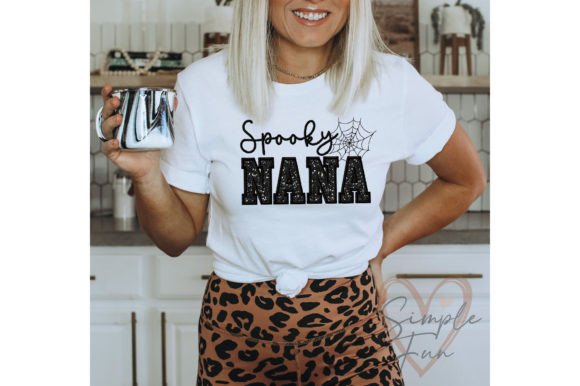
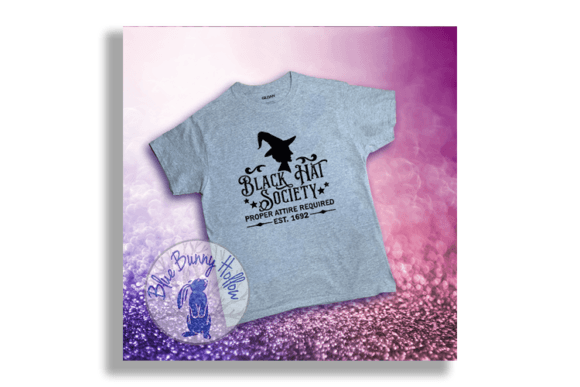
- Sweatshirt Embroidery: For a cozy fall look, placing this on the chest or back of a hoodie can elevate a basic garment into a limited-edition piece.
- Kitchen Towels and Aprons: These items are staples for craft fair products and Etsy listings. A design with this much character can justify a higher price point due to its perceived uniqueness.
- Baby Blankets and Nursery Decor: If executed softly, the "haunting" aspect can be toned down to become a whimsical, slightly mysterious theme suitable for older toddlers or creative nurseries.
Technical Considerations and Stitch Density
When reviewing any machine embroidery design, the devil is in the details. While I cannot confirm the exact stitch count or file formats without checking the specific product page, I can offer guidance based on how similar designs perform. Feeling a Little Hollow likely utilizes a combination of satin stitch for outlines and fill stitch for larger areas. This is standard for creating depth, but it requires careful attention to thread colors.
If the design includes small lettering or intricate fine lines, you must ensure your hoop size accommodates the area without distortion. Dense stitch areas can sometimes cause puckering, especially on stretchy fabrics like jersey used for custom apparel. To mitigate this, always use a proper stabilizer. A cut-away stabilizer is generally recommended for items that will undergo frequent washing, such as baby blankets or daily-use aprons, to maintain the integrity of the finished product.
Testing on Different Fabrics
Before committing to a full production run, I strongly advise testing Feeling a Little Hollow on scrap fabric. This is crucial when working with textured materials or dark fabrics where thread contrast is key. On dark backgrounds, you may need to adjust your underlay or use a higher density of topstitching to ensure the design pops. Conversely, on light fabrics, the same design might appear softer, which could be exactly what you need for a subtle gift.
For curved surfaces like caps, the design's geometry needs to be evaluated closely. If the file is optimized for flat surfaces, adapting it to a cap might require digitizing adjustments or using a smaller hoop attachment. Always inspect small details after stitching to ensure no threads have broken or skipped during the process.
Impact on Product Value and Brand Consistency
In the world of digital product sellers and creative entrepreneurs, the quality of your assets directly impacts buyer trust. Using a unique design like Feeling a Little Hollow helps differentiate your shop from competitors selling mass-produced goods. When customers see a personalized gift with such a specific, high-quality motif, they perceive greater value in the handmade product.
This design can also enhance brand consistency. If your shop focuses on seasonal items, having a cohesive library of designs allows you to create collections. For example, pairing this with other autumn-themed elements can create a unified look across your printable mockups and social media posts. However, remember that overusing a single design can dilute its exclusivity. Use it strategically to highlight special offers or holiday collections.
Practical Tips for Commercial Success
To maximize the return on investment for this embroidery file, consider the following practical steps before listing your finished product:
- Review Licensing: Before selling finished items, confirm the license terms on the Creative Fabrica product page. Ensure you have the rights to sell physical goods made with the design.
- Thread Color Selection: Choose thread colors that complement the design's mood. High-contrast combinations often yield the best results for commercial embroidery.
- Stabilizer Choice: Match your stabilizer to the fabric weight. Heavy-duty stabilizers are essential for dense fill stitches to prevent fabric warping.
- Light vs. Dark Mockups: Create both light and dark fabric mockups to show potential buyers how the design adapts to different aesthetics.
- Inspect Small Details: Zoom in on your test stitches. If the design features tiny elements, ensure they remain crisp and do not merge together after washing.
Final Thoughts on Feasibility
Ultimately, Feeling a Little Hollow presents itself as a strong contender for seasonal projects. Its haunting yet delightful nature offers a fresh take on traditional Halloween themes, making it ideal for designers looking to expand their repertoire beyond standard jack-o'-lanterns. Whether you are an experienced embroiderer or a small business owner looking to add a new line of products, this design has the potential to be a standout piece.
However, success depends on your preparation. By testing on scrap fabric, verifying hoop sizes, and understanding the stitch density, you can ensure that your final product meets professional standards. Remember to check the file details and licensing information provided by the creator to avoid any legal pitfalls. With the right execution, this design can help you create bewitching home décor and custom apparel that resonates deeply with your audience.