Ornamental Divider Review
As an embroidery designer who has spent years translating visual concepts into stitched reality, I approach every new file with a critical eye. We are not just making pretty patterns; we are building brand assets. Today, I am reviewing the Ornamental Divider, a design that promises elegance through swirling scrolls and delicate details. For small business owners, Etsy sellers, and apparel decorators, the question is never just "does it look good?" but rather, "does it perform well in production and elevate our brand identity?"
First Impressions: Elegance Meets Versatility
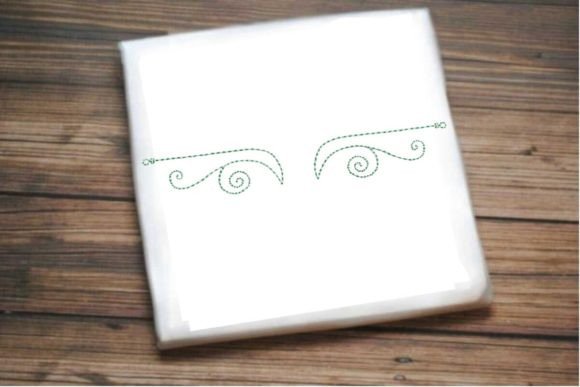
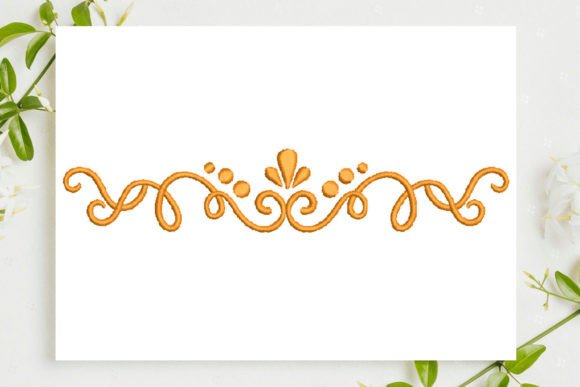
The Ornamental Divider immediately strikes me as a piece of refined craftsmanship. The description highlights a "stylish pattern of swirling scrolls," which suggests a classic, perhaps slightly vintage or romantic aesthetic. In the world of machine embroidery design, scrollwork can be tricky. Too much detail at small sizes turns into a muddy blob; too little loses the character. From what I can see, this design leans toward the premium and elegant side of the spectrum.
It feels friendly yet professional. It is not bold or aggressive like a streetwear graphic, nor is it rustic or rough. Instead, it offers a touch of sophistication that works beautifully for brands aiming for a handmade, artisanal feel. Whether you are running a boutique flower shop, a high-end bakery, or a creative studio, this design adds a layer of perceived value to your merchandise. It signals to the customer that attention to detail matters.
Real-World Business Applications
Let’s move beyond theory and look at how the Ornamental Divider functions in actual commercial projects. I have evaluated this file with several common use cases in mind, focusing on its utility as a versatile asset for small business merch.
- Embroidered Patches: This design shines when used as a standalone patch. The swirling nature of the scrolls allows it to fill space effectively without feeling cluttered. It is perfect for a circular or shield-shaped patch that serves as a badge of quality for your brand.
- Staff Uniforms and Aprons: For cafes, bakeries, or florists, uniformity builds trust. Placing the Ornamental Divider on the chest of a work shirt or near the pocket of an apron adds a polished look. It breaks up solid colors nicely and reinforces a cohesive brand identity.
- Caps and Hats: Cap embroidery requires careful consideration of curvature. If scaled correctly, the scrolls can wrap gently around the front panel, offering a subtle branding element that doesn’t overpower the wearer.
- Tote Bags and Product Packaging: A tote bag design featuring this divider can serve as a walking advertisement. When placed centrally or along the seam, it elevates a simple canvas bag into a branded accessory. Similarly, using it as a printed accent on packaging inserts can create a unified unboxing experience.
- Sleeve Details and Cuffs: For custom apparel, using the divider as a cuff detail or a small sleeve accent adds a unique, high-end touch that customers appreciate.
This versatility makes the embroidery file a valuable addition to any design assets library. It is not limited to one product type; it adapts to custom apparel, event merchandise, and customer gifts alike.
Impact on Brand Identity and Customer Trust
Why does this matter? Because visual consistency drives recognition. When a customer sees the same elegant scrollwork on your hat, your tote, and your apron, it creates a subconscious link to professionalism. The Ornamental Divider enhances product value by suggesting that your business cares about aesthetics. In the competitive landscape of Etsy branding and craft business assets, these small details differentiate you from mass-produced competitors. It fosters buyer engagement because people gravitate towards designs that feel curated and intentional.
Where to Exercise Caution
No design is flawless, and understanding the limitations of the Ornamental Divider is crucial for successful production. There are specific scenarios where this design might struggle if not handled with expertise.
First, consider small patch sizes. If you attempt to stitch this design smaller than 2.5 inches in width, the delicate details may become indistinguishable. The threads will crowd each other, potentially causing puckering or loss of definition. Always test at the intended final size before committing to bulk production.
Second, be mindful of high stitch density. Scrollwork often involves overlapping stitches. If the density is too high, the fabric may pucker, especially on lightweight materials like thin cotton tees or silky blends. Ensure you are using the correct stabilizer—a cut-away stabilizer is usually recommended for dense designs to provide lasting support.
Third, evaluate fabric texture. On heavily textured fabrics like thick wool or rough burlap, the fine lines of the scrolls might get lost. Conversely, on very smooth satin-like fabrics, the design might slip if not hooped tightly. Also, avoid placing intricate dividers on items that require frequent industrial washing, as excessive wear can fray the finer thread loops over time.
Practical Designer Notes for Production
Before you upload this digital embroidery file to your machine, follow these essential steps to ensure a finished product that meets your standards.
- Test in Black and White: Convert the design to monochrome first. This helps you assess the balance of negative space versus filled areas without being distracted by thread colors.
- Check Spacing and Hoop Size: Confirm the required hoop size fits your garment or item. Inspect the spacing between the scrolls to ensure they don't merge unintentionally during stitching.
- Thread Color Contrast: Choose thread colors that contrast sufficiently with your fabric. Light gold on white might disappear, while navy on black might lack definition. Test a few combinations.
- Stabilizer Selection: Use a proper stabilizer appropriate for your fabric weight. For delicate items, a tear-away might suffice, but for durability, a cut-away is safer.
- Create a Mockup: Generate a printable mockup or a digital render to show clients or stakeholders approval before cutting fabric. This saves material and time.
- Verify Commercial Licensing: Most importantly, confirm the commercial licensing terms of the Ornamental Divider. Ensure you have the right to use it on products you intend to sell. Do not assume standard personal licenses cover business use.
Final Verdict
The Ornamental Divider is a strong candidate for businesses seeking to add a touch of class to their embroidered patches and merchandise. Its elegant scrollwork provides a timeless appeal that resonates with customers looking for quality and care. However, success lies in execution. By respecting the technical constraints regarding size, density, and fabric choice, and by verifying all commercial rights, you can leverage this design to boost your brand identity and deliver a superior handmade product.
For those in the Borders category of Embroidery files, this design stands out as a flexible tool for enhancing visual hierarchy and aesthetic appeal across a wide range of commercial embroidery projects. Treat it with respect, test it thoroughly, and it will serve your small business well.