Reviewing Vintage 1970 for Real Embroidery Projects
As a professional embroidery designer who spends countless hours testing digital files before they ever touch a hoop, I approach every new download with a mix of excitement and skepticism. When I stumbled upon Vintage 1970 on Creative Fabrica, I was immediately drawn to the title. It promises a specific aesthetic that is currently dominating the market: retro charm meets modern craftsmanship. But does it deliver on its promise when applied to real-world commercial projects? This review breaks down my honest experience considering this design for actual handmade products, from Etsy listings to boutique merchandise.
First Impressions: The Mood and Visual Appeal
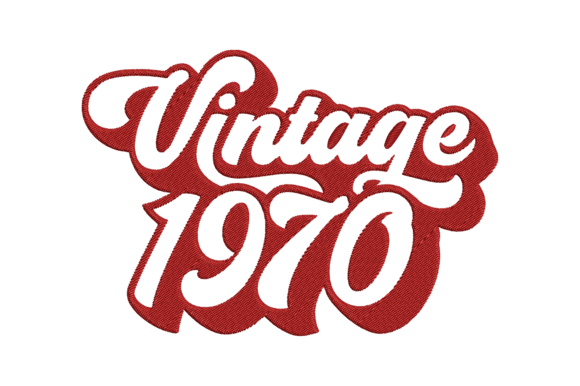
The moment I opened the file preview, the Vintage 1970 design felt distinct. It isn't just a generic pattern; it carries a narrative. The visual mood suggests nostalgia, elegance, and a touch of whimsy that fits perfectly with current trends in home decor and custom apparel. For an embroidery designer, the "personality" of the stitch work is everything. Does it look stiff and mechanical, or does it flow like hand-stitched art?
This design aims to elevate any fabric by adding a unique and eye-catching look. Whether you are planning a nursery decor piece or a statement tote bag, the initial aesthetic suggests high value. It feels like a design asset that could anchor a collection. The description highlights elegance and charm, and visually, it delivers on those fronts. It has the potential to transform a plain canvas into a finished product that customers feel compelled to purchase.
Real-World Application: Where Vintage 1970 Shines
I evaluated Vintage 1970 specifically for its versatility across various categories of handmade goods. Here is how it performs in practical scenarios:
- Custom Apparel and Sweatshirts: The design's layout appears well-suited for chest placements on sweatshirts or back prints on hoodies. The balance between detail and negative space allows it to sit comfortably on garments without overwhelming the wearer.
- Tote Bags and Aprons: For crafters selling at local markets, this design works beautifully as a focal point on canvas tote bags or linen aprons. The retro vibe pairs exceptionally well with kitchen towels and aprons, making it a top contender for seasonal gifts.
- Baby Items and Nursery Decor: The charming nature of the design makes it ideal for baby blankets and pillow covers. Parents often seek items that blend comfort with visual appeal, and this machine embroidery design hits that sweet spot.
- Caps and Patches: While caps present a challenge due to their curved surfaces, the density and shape of Vintage 1970 suggest it could be adapted for embroidered patches or structured cap fronts. However, this requires careful hooping techniques.
- Commercial Embroidery Products: If you are a digital product seller, this file offers great potential for creating printable mockups. A high-quality render of this design on a vintage-style garment can significantly boost engagement on social media and drive sales.
Technical Considerations and Practical Challenges
While the visual aspect is promising, the true test lies in the execution. As an experienced designer, I always consider the technical limitations before committing to a production run.
Hoop Size and Detail Level: One of the first things I check is whether the design fits standard hoop sizes. If Vintage 1970 contains tiny lettering or intricate details, it might get lost if stitched too small. Conversely, if it is too large, it may not fit on smaller items like baby bibs or small patches. You must verify the specific dimensions on the Creative Fabrica product page before ordering materials.
Stitch Density and Fabric Type: Dense stitch areas can cause puckering, especially on stretchy fabrics like jersey knits used for t-shirts and sweatshirts. If you plan to use this for commercial embroidery on such materials, using the proper stabilizer is non-negotiable. A heavy-duty cut-away stabilizer is often required to maintain the integrity of the design over time.
Thread Colors and Contrast: The effectiveness of any embroidery file relies heavily on thread color contrast. On dark fabric, the design needs bright, opaque threads to stand out. On light fabric, pastel tones might offer the elegant look described. Always review the suggested thread palette and ensure your spools match the intended aesthetic.
Small Details and Satin Stitches: Designs with satin stitches require precision. If the design includes running stitches or fill stitches, check the direction of the grain. Small details can sometimes break up during the stitching process if the machine tension is off or if the design is too complex for the chosen needle size.
Impact on Product Value and Brand Consistency
In the world of handmade shops and Etsy listings, presentation is key. A well-executed design like Vintage 1970 directly influences buyer trust. When a customer sees a crisp, professionally stitched design on a finished product, they perceive higher quality. This elevates the perceived value of your item, allowing you to price it appropriately for the effort and skill involved.
Furthermore, consistency matters. If you build a brand around retro aesthetics, using a cohesive set of designs ensures your shop looks professional. Vintage 1970 can serve as a flagship design that defines your style. It adds a layer of sophistication that separates mass-produced goods from artisanal creations.
For giftability, the emotional connection is vital. A personalized gift featuring this design feels more thoughtful than a generic store-bought item. The "vintage" theme resonates with buyers looking for unique, timeless pieces rather than fleeting trends.
Essential Steps Before You Stitch
Before you rush to start your next project, follow these practical steps to ensure success with your embroidery file:
- Test on Scrap Fabric: Never run a full production batch without a test. Stitch the design on a scrap of the exact fabric you intend to use to check for puckering or distortion.
- Check File Details: Go back to the Creative Fabrica product page. Confirm the file formats, recommended hoop sizes, and stitch counts. Do not guess; verify the technical specifications provided by the creator.
- Inspect Licensing: If you are planning to sell finished items (commercial embroidery), carefully read the license terms. Ensure you have the right to use the design for resale.
- Use Proper Stabilizer: Match your stabilizer to your fabric weight. Heavy fabrics need heavy support; light fabrics need light support to prevent bulkiness.
- Compare Mockups: Create both light and dark fabric mockups to see how the design translates visually. This helps in marketing and setting customer expectations.
- Review After Stitching: Once the machine stops, inspect the small details. Are there loose threads? Is the density even? This quality control step prevents returns and unhappy customers.
Final Thoughts on Vintage 1970
Vintage 1970 represents more than just a digital file; it is a tool for creative entrepreneurs to build their brands. Whether you are an embroiderer looking to expand your portfolio or a small business owner seeking high-quality design assets, this design offers a strong foundation for elegant and charming products.
It successfully bridges the gap between artistic expression and commercial viability. By understanding its strengths and respecting its technical requirements, you can create finished products that customers will love. Remember, the difference between a good handmade product and a great one often comes down to the care taken in the preparation and execution phases. Take the time to test, adjust, and perfect your workflow, and Vintage 1970 will reward you with beautiful results.
For those ready to dive into the world of machine embroidery design, this piece is a worthy addition to your library. Just ensure you double-check the specific details on the source page to guarantee it meets your exact project needs. Happy stitching!