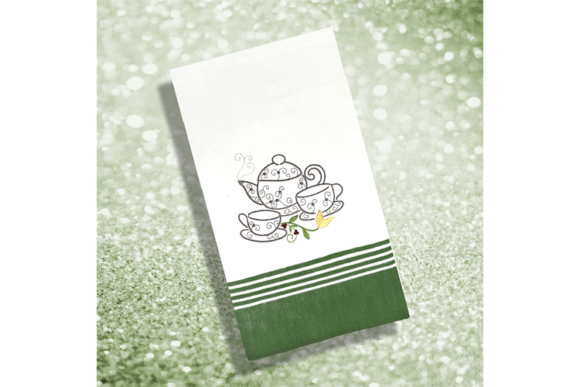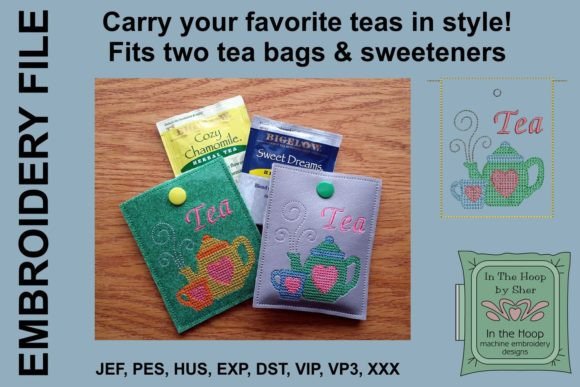
Teapot Tea Bag Holder Review
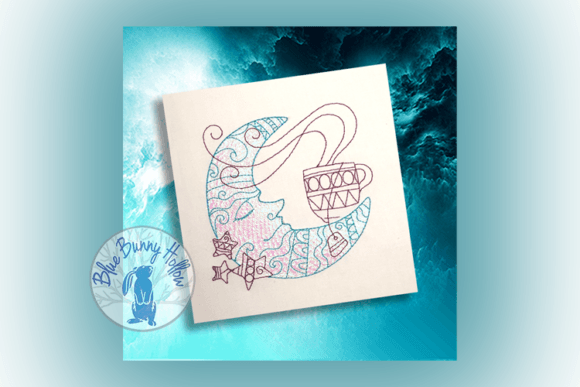
As an experienced embroidery designer who has spent years refining the art of digitizing for commercial use, I approach every new asset with a critical eye. When evaluating Teapot Tea Bag Holder, my primary focus is not just on how it looks in isolation, but on its viability as a core component of small business merchandise and branded patches. This whimsical motif celebrates the art of steeping with style, adding a touch of charm to your daily essentials, but does that translate effectively into a durable, professional brand asset? In this review, I will dissect how this machine embroidery design performs when applied to real-world products like staff uniforms, apron embroidery, cap embroidery, and tote bag designs.
First Impressions: The Personality of the Design
The initial assessment of Teapot Tea Bag Holder reveals a design that leans heavily into the playful and charming aesthetic. For brands operating in the boutique, bakery, or creative studio sectors, this visual personality is often a significant asset. It feels handmade yet polished enough for retail environments. Unlike stark, corporate logos, this design suggests warmth and hospitality, making it an ideal candidate for customer gifts, event merch, and Etsy branding where emotional connection drives sales.
However, the term "whimsical" implies a level of detail that requires careful scrutiny. A design that works beautifully on a large tote bag may lose its definition if scaled down too aggressively. The description highlights a "tea snob" theme, which suggests a specific target audience. If your brand identity relies on premium elegance, you must ensure the stitching density supports that narrative. If the lines are too thin or the fill stitches too loose, the design risks looking amateurish rather than artisanal. The key is balancing the fun nature of the motif with the structural integrity required for high-quality finished products.
Real-World Application: From Patches to Uniforms
The true test of any digital embroidery file is its performance across various substrates. For a small café or florist looking to expand their revenue streams, Teapot Tea Bag Holder offers versatile opportunities. It excels as an embroidered patch, serving as a durable badge of pride for staff uniforms. When applied to work shirts or apron embroidery, the design adds a layer of character that customers immediately recognize.
- Custom Apparel: On heavy cotton workwear, the design stands out well, provided the thread colors offer sufficient contrast against dark fabrics.
- Cap Embroidery: Using this on the front of a baseball cap can be effective, but curvature issues must be managed during digitizing to prevent distortion.
- Tote Bag Design: This is perhaps the strongest application. A tote bag made of canvas or linen provides a stable surface where the stitch density can shine without puckering.
- Product Packaging Accents: Adding a small version of the design to product packaging or hang tags elevates the perceived value of handmade products.
Furthermore, this design fits seamlessly into the ecosystem of digital embroidery files used by craft business assets. Whether you are creating printable mockups for client approval or producing physical stock for a craft fair, Teapot Tea Bag Holder serves as a reliable design asset. It bridges the gap between functional utility and decorative flair, making it perfect for branded product add-ons that encourage repeat purchases.
Strategic Limitations and Risk Areas
While the potential is high, there are specific scenarios where Teapot Tea Bag Holder should be used with caution. Small patch sizes present a significant challenge; intricate outlines and detailed lettering can become muddy if the hoop size is too small. If you intend to use this for tiny logo accents on sleeves or collars, you must verify the minimum viable stitch count.
Curved surfaces, such as the front of a fitted cap, require precise underlay techniques. Without proper stabilizer and tension adjustments, the fabric texture may distort the design, leading to a wavy appearance. Additionally, items that need frequent washing, such as chef's aprons or barista uniforms, demand high durability. Designs with excessive stitch density can cause fabric pilling or stiffness over time, potentially damaging the brand's reputation for quality.
Dark uniforms also pose a color contrast issue. If the original file relies on light threads for details, they may disappear against black or navy fabric. In these cases, a redesign or colorway adjustment might be necessary to maintain visibility. Always inspect the spacing before committing to a production run to ensure the design remains legible at its intended scale.
Impact on Brand Identity and Customer Trust
In the competitive landscape of small business merch, visual consistency is paramount. A poorly executed embroidery job can undermine customer trust and reduce the perceived value of your products. Teapot Tea Bag Holder, when executed correctly, enhances brand identity by signaling attention to detail and a commitment to craftsmanship.
When customers see a crisp, well-placed design on a tote bag or a uniform, it reinforces professionalism. It tells them that the business cares about the tactile experience of their goods. Conversely, a sloppy execution can make even the most charming design look cheap. Therefore, the decision to use this design must be backed by rigorous testing. The goal is to ensure that the "charm" mentioned in the product description translates into a premium feel that justifies a higher price point.
Practical Designer Notes for Production
Before integrating Teapot Tea Bag Holder into your commercial workflow, follow these essential steps to guarantee success:
- Test in Black and White: Convert the design to grayscale first to check if the stitch density creates a solid image without relying solely on color.
- Verify Stitch Density: Ensure the design is not too dense for the chosen fabric. High stitch density can cause puckering on lightweight materials.
- Check Thread Color Contrast: Evaluate how the thread colors interact with your specific fabric choices. Use a color wheel to ensure harmony.
- Inspect Spacing and Hoop Size: Confirm that the design fits within your standard hoop size without requiring unnecessary trimming.
- Use Proper Stabilizer: Select the correct stabilizer (cut-away, tear-away, or water-soluble) based on the fabric weight and stretch.
- Create a Mockup: Always generate a printable mockup for client approval before running a full production batch.
- Compare Assets: Place the design beside other design assets in your collection to ensure visual consistency across your brand.
- Confirm Licensing: Verify commercial licensing terms to ensure you are legally cleared for business use.
Finally, do not assume exact stitch counts or file formats unless explicitly stated in the product documentation. Always test on real fabric samples to account for shrinkage and texture variations. By treating Teapot Tea Bag Holder with the same rigor as any high-stakes commercial embroidery project, you can transform a simple tea-themed motif into a powerful tool for brand growth and customer engagement.