Born to Golf: A Designer's Review for Small Business Merch
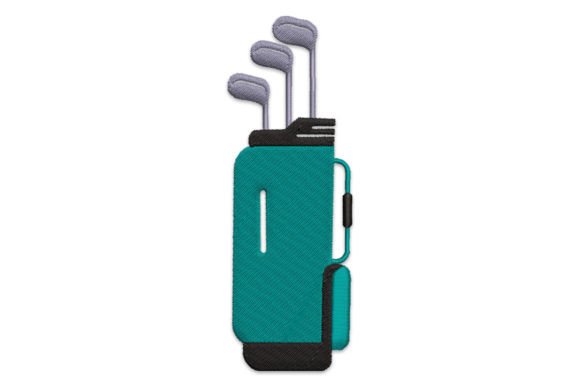
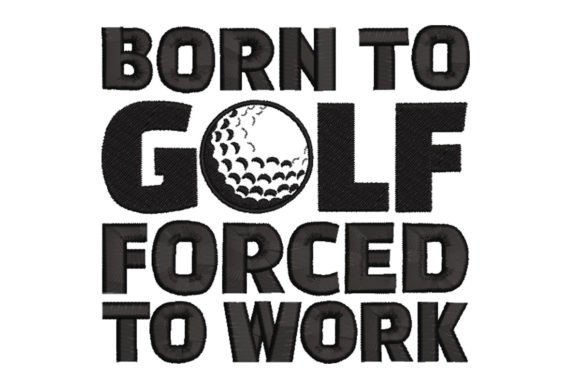
As an experienced embroidery designer who has spent years refining designs for everything from high-end corporate uniforms to boutique handmade labels, I approach every new file with a critical eye. When evaluating a machine embroidery design like Born to Golf, I am not just looking at the aesthetic; I am analyzing its viability as a commercial asset. The description promises a fun and sporty look featuring golf clubs and balls, intended to add a playful touch to apparel and accessories. But does it hold up when translated into real-world business applications? This review breaks down how this embroidery file performs when used for branded patches, staff uniforms, and small business merchandise.
First Impressions: Personality and Brand Fit
The title Born to Golf immediately sets a tone that is energetic, casual, and accessible. Unlike stiff, corporate logos, this design feels friendly and bold. For a small business owner running a sports-themed café, a boutique golf shop, or a creative studio catering to athletes, this visual personality aligns perfectly with a brand identity that values approachability and passion. It strikes a balance between professional and playful, making it ideal for customer-facing items where you want to build rapport rather than intimidate.
In the context of Sports and Embroidery, the imagery of clubs and balls is instantly recognizable. However, the success of this design in a commercial setting depends on execution. Is it too detailed for a small patch? Does the "playful" nature undermine a premium feel? My initial assessment suggests that while the design is excellent for adding character to custom apparel, it requires careful consideration regarding scale and fabric choice to ensure the final product looks polished rather than cluttered.
Real-World Business Applications
The true test of any digital embroidery file is its versatility across different products. Let's imagine a local coffee shop wants to launch branded merchandise, or a florist wants to create unique gifts for wedding clients. How does Born to Golf fit into these scenarios?
- Embroidered Patches: This design shines as a detachable embroidered patch. Imagine a leather patch sewn onto the back of a denim jacket sold at a golf pro shop, or a felt patch added to a tote bag. The distinct shapes of the clubs and balls provide enough visual interest to stand alone without needing extensive text.
- Staff Uniforms and Aprons: For a bakery or café with a sports theme, placing this design on the chest of an apron creates a cohesive look. It transforms a standard work shirt into a statement piece. The design works well as a sleeve detail on work shirts, offering a subtle nod to the brand without overwhelming the garment.
- Caps and Headwear: Cap embroidery often requires compact designs. If the Born to Golf layout is sufficiently condensed, it could serve as a front-center logo on baseball caps, appealing to customers who want to show their love for the game while supporting a local business.
- Tote Bag Design: Tote bags are a staple for small business merch. A single, well-placed application of this design on a canvas tote makes for an affordable yet attractive gift item. It adds value to the bag, turning a simple utility item into a branded accessory.
- Product Packaging Accents: Creative studios can use this design to label packaging for gift boxes. A small embroidered tag attached to a product box elevates the unboxing experience, signaling attention to detail and quality.
Strategic Considerations and Potential Pitfalls
While the potential is high, a professional designer knows that not every design fits every surface. There are specific areas where Born to Golf requires caution to maintain a high-quality finish.
Size and Detail Constraints: If you plan to use this as a tiny chest logo or a miniature patch, you must be wary of stitch density. Designs featuring multiple elements like clubs and balls can become muddy if scaled down too much. On a cap front or a small product label, fine details might disappear or merge together. Always verify the minimum recommended size before committing to production.
Fabric Texture and Color: The design features outlines and potentially intricate fills. On highly textured fabrics like heavy wool or loose-weave linen, the stitches may not lay flat, distorting the image. Furthermore, on dark uniforms, thread color contrast becomes critical. If the background is black and the design uses light threads, you may need a underlay layer to prevent the fabric from showing through, which increases the stitch count and cost.
Wash Durability: For items that will undergo frequent washing, such as aprons or work shirts, check the stability of the design. High stitch density can sometimes cause puckering on lighter fabrics if the wrong stabilizer is used. Ensure the design is robust enough to withstand the rigors of commercial laundering without losing its shape.
Impact on Brand Identity and Customer Trust
Every stitch contributes to your brand narrative. Using a well-executed design like Born to Golf signals to your customers that you care about quality. In the world of handmade products and Etsy branding, consistency is key. If your other assets are clean and modern, but your embroidery looks sloppy or poorly aligned, it can erode buyer trust.
Conversely, a crisp, well-placed design enhances perceived product value. A customer paying a premium for a tote bag or a custom cap expects the decoration to look intentional. When the design integrates seamlessly with the fabric texture, it reinforces a sense of professionalism. It tells the buyer that this is a finished product, not a hastily made add-on. This attention to detail fosters engagement and encourages repeat purchases, as customers associate your brand with reliability and style.
Practical Notes for Production Success
Before you run this commercial embroidery project, follow these essential steps to ensure the best outcome:
- Test in Black and White: Create a monochrome version of the design first. This helps you visualize the stitch density and spacing without the distraction of color. It reveals if the design is too busy or if there are gaps that need filling.
- Check Scale on Real Fabric: Do not rely solely on a digital mockup. Stitch the design out on the actual fabric you intend to use. Fabric behavior varies wildly; what looks good on a screen might pucker on cotton or stretch on polyester.
- Review Thread Colors: Select thread colors that offer strong contrast against your base material. Ensure the palette matches your existing brand guidelines to maintain visual consistency across all design assets.
- Confirm Hoop Size and Stabilizer: Verify the required hoop size for the design dimensions. More importantly, choose the correct stabilizer (cut-away, tear-away, or water-soluble) to support the weight of the embroidery, especially for dense areas like the club heads.
- Create a Printable Mockup: Before mass production, generate a realistic printable mockup for client approval. This allows stakeholders to see exactly how the design will appear on the final item, reducing the risk of costly errors.
- Verify Commercial Licensing: Most importantly, confirm that you have the proper commercial license to use this file for selling goods. Using a personal-use file for profit can lead to legal issues.
By treating Born to Golf as a strategic tool rather than just a decorative element, small business owners and decorators can maximize its impact. Whether you are creating a line of branded hats, designing staff uniforms for a sports bar, or adding a unique touch to your handmade product line, this design offers a versatile foundation. With careful planning regarding stitch density, fabric selection, and production techniques, it can become a standout feature in your catalog.