Wine Tasting 3: A Designer's Review for Small Business Merch
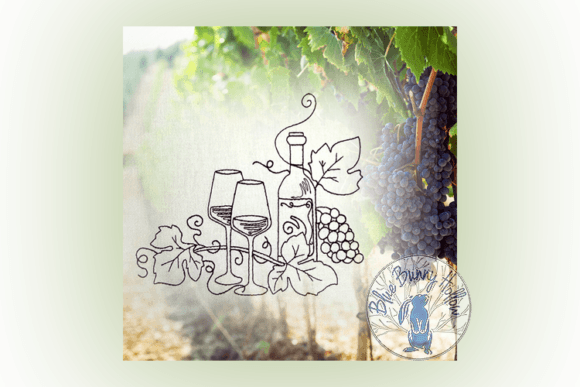
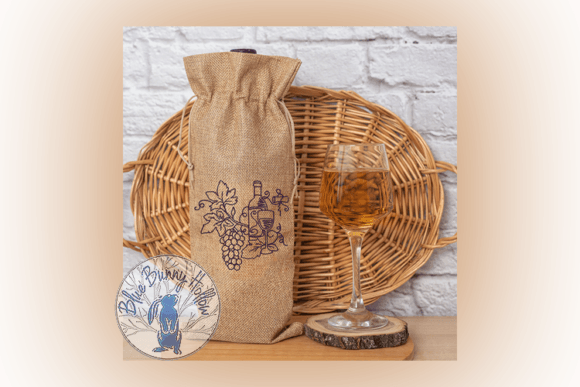
As an experienced embroidery designer who has spent years refining digital files for commercial use, I approach every new asset with a critical eye. When evaluating Wine Tasting 3, my focus shifts immediately from artistic appreciation to practical application. This design is not merely a decorative element; it is a potential cornerstone for brand identity across various merchandise lines. The description promises an exquisite linework masterpiece featuring a stemmed wine glass and lush grapevines, suggesting a blend of elegance and organic charm that could elevate a small business's visual presence.
First Impressions: Professionalism Meets Rustic Charm
The initial assessment of Wine Tasting 3 reveals a design that strikes a sophisticated balance between modern minimalism and classic rustic appeal. The emphasis on linework suggests a clean aesthetic that avoids the clutter often found in overly detailed machine embroidery designs. For a boutique café, a wine shop, or a handmade artisan brand, this style communicates quality without shouting for attention. It feels premium yet accessible, making it ideal for brands that want to project a sense of craft and care.
In the context of brand identity, the imagery of the stemmed glass and succulent grapevines evokes a specific lifestyle. It speaks to relaxation, celebration, and the art of savoring moments. This emotional connection is crucial for customer engagement. When a client sees this design embroidered on a tote bag or an apron, they are not just seeing a picture; they are connecting with the values of the business. The design feels friendly enough for a local bakery but elegant enough for a high-end florist or creative studio.
Real-World Application: From Patches to Product Labels
The true test of any embroidery file lies in its versatility across different product categories. Wine Tasting 3 shows significant promise as a versatile asset for small business merch. Its intricate linework makes it particularly suitable for creating custom embroidered patches. These patches can serve as durable branding tools on denim jackets, backpacks, or even as collectible items sold directly to customers.
For apparel decorators and uniform designers, this design excels as a chest logo accent or a subtle sleeve detail. Imagine a staff member at a wine bar wearing a black work shirt with a refined version of this design stitched near the pocket. It adds a layer of professionalism and team cohesion without overwhelming the garment. Similarly, for apron embroidery, the design would look stunning centered on the bib, transforming a functional item into a piece of marketing collateral.
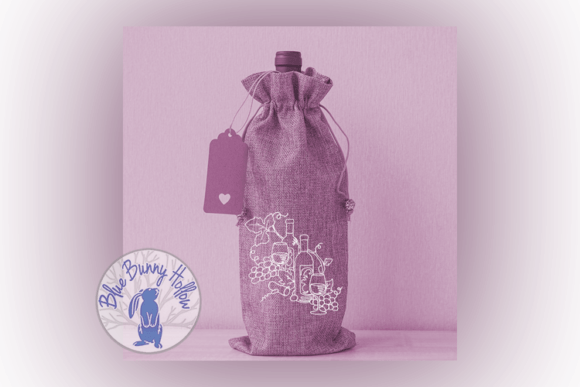
Caps and hats present another exciting avenue. While curved surfaces require careful digitizing, the organic flow of the grapevines in Wine Tasting 3 could wrap beautifully around a cap front or sit elegantly on the side panel. Furthermore, as a tote bag design, it offers a perfect opportunity for gift-giving and event merchandise. Customers love carrying branded bags, and a well-executed embroidery design ensures the brand remains visible long after the purchase.
Even in the realm of product packaging and labels, this design can add a tactile dimension. A small patch featuring this motif sewn onto a product box or a hang tag can significantly increase perceived value. For Etsy sellers and crafters, offering items with this level of customization helps differentiate their offerings in a crowded marketplace.
Strategic Considerations and Limitations
While the potential is high, a professional review must address where caution is required. The intricate nature of the linework means that stitch density must be managed carefully. If the design is scaled down too much for a tiny patch or a small button, the fine details may become muddy or lost entirely. Therefore, testing the design at its intended final size is non-negotiable.
Curved surfaces like caps can also pose challenges if the underlying digitization does not account for fabric distortion. Additionally, the design features detailed outlines which might struggle against dark uniforms unless high-quality underlay and thread colors are selected. High stitch density areas may cause puckering on lightweight fabrics, so selecting the right stabilizer is essential to maintain the integrity of the finished product.
Frequent washing is another factor to consider. Designs with extensive coverage or fine threads may require more care instructions to prevent fraying or fading over time. For items that need to withstand heavy industrial laundering, such as kitchen aprons, reinforcing the design or simplifying the linework slightly might be necessary to ensure longevity.
Impact on Brand Perception and Value
The decision to use Wine Tasting 3 goes beyond aesthetics; it impacts how customers perceive your brand's trustworthiness and professionalism. In the world of custom apparel and handmade products, the quality of the embroidery is often equated with the quality of the product itself. A crisp, well-aligned design signals attention to detail and respect for the customer.
Conversely, a poorly executed design can undermine visual consistency and damage buyer confidence. By choosing a design that balances complexity with clarity, you ensure that your brand message remains clear. The elegance of the grapevine motif reinforces a narrative of sophistication, which can justify higher price points for your merchandise. It transforms a standard tote bag or cap into a statement piece that customers are proud to wear or display.
Essential Notes for Production Success
Before integrating Wine Tasting 3 into your production line, several technical steps must be taken to guarantee success. First, always test the design in black and white to ensure the contrast holds up regardless of thread color choices. This step is vital for verifying that the linework remains distinct and legible.
Review the spacing within the design to confirm that elements do not touch, which could lead to stitching errors. Check the recommended hoop size to ensure the design fits your available equipment and the target garment dimensions. Testing on real fabric is perhaps the most critical step; digital mockups are helpful, but only physical samples reveal how the fabric texture interacts with the thread.
Ensure you are using the proper stabilizer for the specific material, whether it is canvas for a tote bag or cotton twill for a cap. Creating a printable mockup for client approval before running a full batch can save valuable resources and prevent costly mistakes. Finally, compare this design alongside your other design assets to ensure it fits seamlessly within your existing brand guidelines.
Most importantly, confirm the commercial licensing terms before using this digital embroidery file for mass production. Understanding the legal scope of your usage rights protects your business and ensures ethical compliance. With these precautions in place, Wine Tasting 3 has the potential to become a signature element of your brand's visual language, driving recognition and loyalty among your customer base.