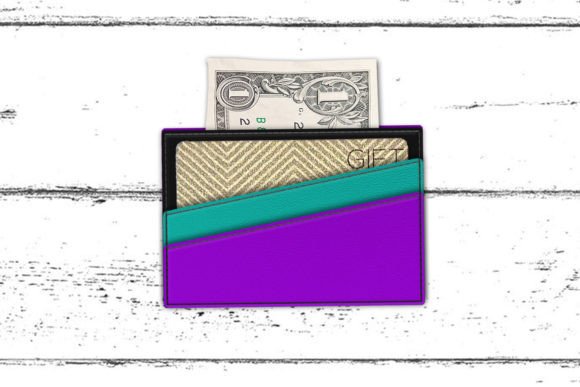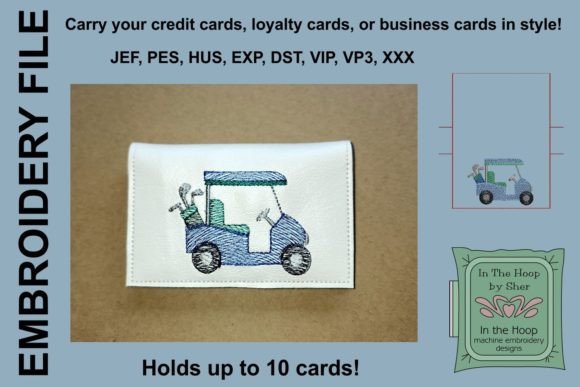
Golf Cart Credit Card Wallet Review
In the world of small business branding, every stitch counts. As an experienced embroidery designer who has spent years refining designs for everything from boutique uniforms to custom patches, I recently evaluated a digital asset titled Golf Cart Credit Card Wallet. This design falls under the Games category and is specifically created as an embroidery file for machine use. But beyond the technical specifications, does it hold up as a viable tool for building brand identity and selling merchandise? Here is my professional review on how this design performs in real-world commercial applications.
First Impressions: A Blend of Playful and Professional
When you first open the preview of the Golf Cart Credit Card Wallet, the aesthetic immediately strikes a balance between rustic charm and modern utility. The title suggests a lifestyle appeal that resonates deeply with outdoor enthusiasts, golfers, and those who appreciate a relaxed, country-chic vibe. For a small business owner, this is crucial because the design feels friendly yet polished enough to be placed on premium products.
The description highlights that it is perfect for embellishing credit card wallets or cardholders. However, looking at the visual personality of the design, it transcends its intended product. It possesses a boldness that works well for branded patches and a level of detail that suggests high-quality craftsmanship. Whether your brand is a local bakery, a creative studio, or a florist looking to add a unique touch, this design offers a playful twist that can elevate standard items into memorable keepsakes. It avoids looking generic, offering a distinct visual hook that helps customers recognize your brand instantly.
Real-World Business Applications
The true test of any machine embroidery design is its versatility across different merchandise types. In my analysis, the Golf Cart Credit Card Wallet proves to be surprisingly adaptable for various small business merch scenarios. It is not limited to just golf shops; imagine a boutique hotel using this as a chest logo accent on their staff aprons, or a pet brand incorporating it onto tote bags sold at their checkout counter.
- Embroidered Patches: One of the strongest use cases is creating custom embroidered patches. The design's composition allows it to stand out as a standalone badge when applied to denim jackets, backpacks, or work shirts. It serves as an excellent conversation starter for event merch or trade show giveaways.
- Staff Uniforms and Aprons: For cafes, bakeries, or creative studios, adding this design to apron embroidery creates a cohesive team look. It adds a layer of personality to the uniform without being overly distracting, signaling a fun and approachable workplace culture.
- Caps and Tote Bags: Cap embroidery often requires designs that are compact but impactful. This file works beautifully as a sleeve detail or a cap front design, provided the scale is adjusted correctly. Similarly, for tote bag design, the motif adds a decorative flair that encourages customers to carry your brand wherever they go.
- Product Packaging and Labels: Small business owners often overlook the value of branded product labels. Using this design on the packaging accents of handmade products can significantly increase perceived value. It transforms a simple item into a curated experience, fostering customer trust and recognition.
Navigating Technical Challenges
While the potential is high, there are specific areas where this embroidery file requires careful consideration. Not every surface is suitable for every design. When planning to use the Golf Cart Credit Card Wallet for small patch sizes or cap fronts, you must be mindful of the complexity involved.
Curved surfaces like caps present a challenge for detailed outlines. If the design includes tiny lettering or intricate textures, it may become muddy when stitched on a curved brim. High stitch density can also be an issue if the fabric is lightweight or if the item needs frequent washing. On dark uniforms, the thread colors might need to be adjusted to ensure sufficient contrast and visibility. Furthermore, textured fabrics can sometimes hide the fine details of the stitching, so testing on the actual material is non-negotiable before mass production.
Impact on Brand Identity and Customer Trust
Investing in high-quality design assets is an investment in your brand's reputation. A well-executed embroidery project signals professionalism and attention to detail. When a customer receives a gift or purchases a product featuring the Golf Cart Credit Card Wallet design, they perceive the brand as established and trustworthy. Visual consistency is key here; if your other marketing materials match the style of this embroidery, you create a unified brand story.
This design fosters buyer engagement by appealing to a specific lifestyle niche. It tells a story of leisure, activity, and community. For Etsy sellers and craft business assets, this narrative element is invaluable. It moves the product from being a mere commodity to a piece of art that aligns with the customer's personal values. By choosing a design that feels handmade yet precise, you enhance the emotional connection your customers have with your brand.
Essential Designer Notes for Production
Before committing to a full production run, I strongly advise following these practical steps to ensure the finished product meets your standards:
- Test in Black and White: Convert the design to grayscale first to check the balance of stitches and ensure the image remains legible without relying on color contrast alone.
- Check Small Patch Sizes: Verify how the design holds up when reduced to a 2-inch or 3-inch patch size. Details may disappear, requiring simplification.
- Review Thread Color Contrast: Select thread colors that pop against your target fabric. Dark backgrounds may require bright threads, while light fabrics allow for more subtle palettes.
- Inspect Spacing and Hoop Size: Ensure the design fits within your available hoop size. Tight spacing can cause puckering, while loose spacing might result in poor registration.
- Test on Real Fabric: Always run a sample on the actual material you intend to use. Fabric texture plays a massive role in how the final embroidery looks.
- Use Proper Stabilizer: Depending on the fabric weight, choose the correct stabilizer to support the design and prevent distortion during the stitching process.
- Create a Printable Mockup: Before sewing, generate a printable mockup for client approval. This helps visualize the final placement on apparel or accessories.
- Compare Design Assets: Look at this design alongside your other branding elements to ensure it complements rather than clashes with your existing logo.
- Confirm Commercial Licensing: Most importantly, verify the commercial licensing terms. Ensure you have the right to sell products made with this digital embroidery file.
If specific details regarding the exact stitch count, file format, or recommended hoop size are not explicitly stated in the product description, you must contact the creator or test extensively to determine the optimal settings. Never assume compatibility without verification.
Conclusion
The Golf Cart Credit Card Wallet design offers a compelling option for small business owners looking to expand their custom apparel and branded merchandise lines. Its blend of playful imagery and professional execution makes it suitable for a wide range of applications, from apron embroidery to cap embroidery. By understanding its strengths and respecting its technical limitations, you can leverage this design to enhance your brand identity and delight your customers. Whether you are an Etsy seller, a merch creator, or a product designer, this embroidery design has the potential to become a standout feature in your catalog.