Tatted Cross: A Designer's Honest Review for Real Projects
As an experienced embroidery designer who has spent countless hours digitizing and stitching intricate motifs, I often find myself searching for designs that bridge the gap between traditional craftsmanship and modern machine efficiency. When I first encountered Tatted Cross on Creative Fabrica, my initial reaction was one of genuine appreciation for its visual mood. It captures the delicate, lace-like aesthetic of hand-tatting—a technique that traditionally requires a shuttle and hours of patient work—while promising the speed and consistency of machine embroidery.
This review is not just about the file itself; it is about how this design performs in the real world. Whether you are an Etsy seller preparing a seasonal collection, a boutique owner looking for unique apparel accents, or a craft fair enthusiast creating handmade gifts, understanding the practical application of a design like Tatted Cross is essential before you commit to production.
The Visual Appeal and Design Personality
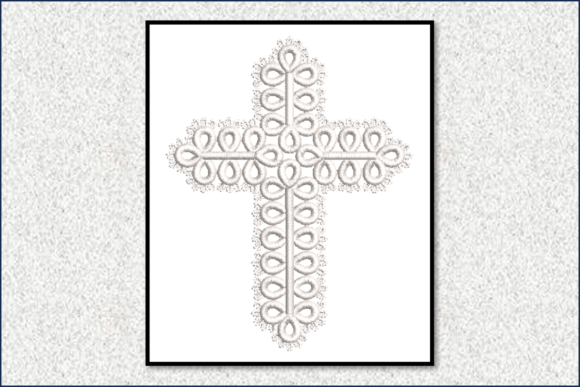
The Tatted Cross design immediately stands out because of its texture. In the digital preview, it looks like a free-standing lace motif with a distinct geometric heart at its center, surrounded by fine, looped details that mimic the look of knotted thread. For designers working on custom apparel or home decor, this level of detail is often what separates a generic print from a premium handmade product.
The "Cities" category might suggest urban themes, but this design transcends location. Its ornamental quality makes it versatile enough for romantic bridal collections, rustic farmhouse kitchen towels, or even modern nursery decor. The stitch personality here is key; it relies heavily on satin stitches for the outlines and running stitches or long and short stitches to create the openwork effect. This combination gives the finished piece a soft, tactile feel that flat fill stitches simply cannot achieve.
Real-World Application: From Tote Bags to Nursery Decor
I recently considered using Tatted Cross for a specific customer order involving a line of personalized aprons and tote bags. The goal was to create a high-end look without the prohibitive cost of hiring a specialist lacemaker. After analyzing the design, I found it perfectly suited for these applications.
- Custom Apparel: On a sweatshirt or a denim jacket, the cross serves as a striking focal point on the chest or back yoke. The openwork nature of the tatting allows the fabric underneath to show through slightly, adding depth to the garment.
- Home Goods: For kitchen towels and pillow covers, the design offers a sophisticated touch. It works beautifully as a corner accent or a central medallion. The intricate loops catch the light well in product photography, enhancing the perceived value of the item.
- Baby Items: A soft version of this design embroidered on a baby blanket or a onesie creates a timeless keepsake. The gentle curves of the tatting are less harsh than sharp geometric shapes, making it ideal for nursery decor.
- Embroidered Patches: Because the description notes it can be made as a free-standing design, it is an excellent candidate for creating patches. These can be applied to caps, bags, or jackets, offering a textured element that feels more artisanal than standard vinyl transfers.
Navigating Practical Embroidery Challenges
While the visual potential is high, every professional designer knows that the devil is in the details. Using Tatted Cross for commercial embroidery projects requires careful consideration of hoop size, fabric stability, and stitch density.
Hoop Size and Small Details: The intricate nature of the tatted loops means that this design likely requires a relatively small hoop to maintain tension. If you attempt to embroider this on a large surface like a full-size sweatshirt without proper stabilization, the fine details may pucker or distort. It is crucial to confirm the recommended hoop size on the Creative Fabrica product page before starting your project.
Fabric Selection: This design shines on stable fabrics. While it can be adapted for stretchy materials like jersey, it demands a heavy-duty stabilizer to prevent the delicate loops from collapsing. On dark fabrics, the contrast is vital; you must select thread colors that pop against the background. Light threads will make the white or cream cross stand out sharply, while dark threads might blend too much unless you use a high-density underlay.
Density and Washing: One of the primary concerns with free-standing lace-style designs is durability. If the stitch density is too high, the fabric becomes stiff and difficult to wear. Conversely, if it is too low, the design may tear during frequent washing. For products like tote bags or aprons that see heavy use, I recommend testing the design on scrap fabric first to ensure the threads hold up to friction and laundering.
Maximizing Product Value and Brand Consistency
In the competitive world of handmade goods and digital product sellers, the quality of your embroidery directly impacts buyer trust. A sloppy stitch job can ruin the presentation of a gift, but a crisp, well-executed design elevates the entire brand.
Using a design like Tatted Cross allows you to market your items as "artisanal" even when they are machine-made. The illusion of hand-tatting adds a narrative to your products that customers love. When photographing your finished product, the shadows created by the raised satin stitches and the openwork areas add dimension to your images, making them more engaging on social media and online marketplaces.
For those selling digital assets or printable mockups, having a high-quality source file is paramount. Ensure that the file format provided is compatible with your digitizing software so you can adjust thread colors or resize the design for different layouts. Always check the licensing terms on the Creative Fabrica product page to understand exactly what you can do with the finished physical items.
Essential Steps Before You Stitch
Before you download and run Tatted Cross on your next production run, keep these practical tips in mind to ensure success:
- Test on Scrap Fabric: Never start with your final customer item. Use a scrap of the same material to check tension and stitch formation.
- Review Stitch Density: Inspect the design for any areas where the fill might be too dense, which could cause puckering on lightweight fabrics.
- Confirm Stabilizer Needs: Based on your fabric type (stretchy vs. stable), choose the appropriate cut-away or tear-away stabilizer to support the delicate loops.
- Check Thread Colors: Compare your chosen thread spools against the design in both natural and artificial light to ensure the contrast is sufficient.
- Inspect Small Details: Zoom in on the finished sample to ensure the tiny tatted loops have formed correctly and haven't merged together.
- Verify Licensing: Double-check the product details on Creative Fabrica regarding commercial use rights, especially if you plan to sell the finished embroidered goods.
The Tatted Cross design represents a smart investment for designers looking to expand their catalog with high-value, detailed embroidery files. It solves the problem of time-consuming hand techniques while delivering a result that feels luxurious and bespoke. Whether you are creating a single personalized gift or a batch of boutique merchandise, this design offers the versatility needed to meet various creative demands.
By taking the time to test and refine the settings for this specific embroidery file, you can produce finished products that command higher prices and foster stronger customer loyalty. In the world of commercial embroidery, attention to detail is everything, and Tatted Cross provides the perfect canvas to showcase your skill.