Wine Tasting 2: A Designer's Review for Market Success
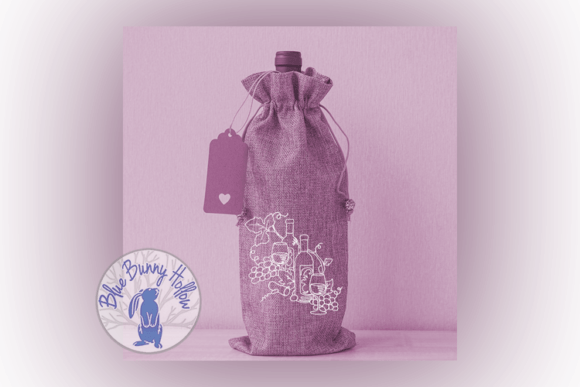
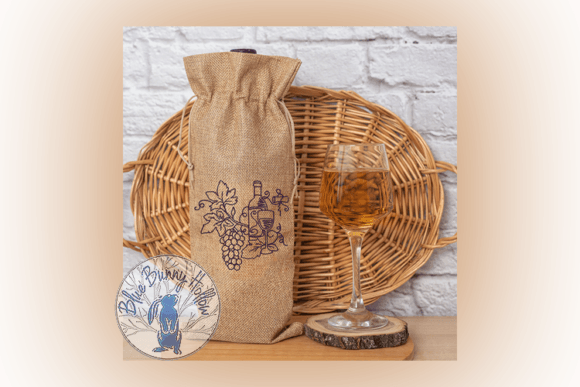
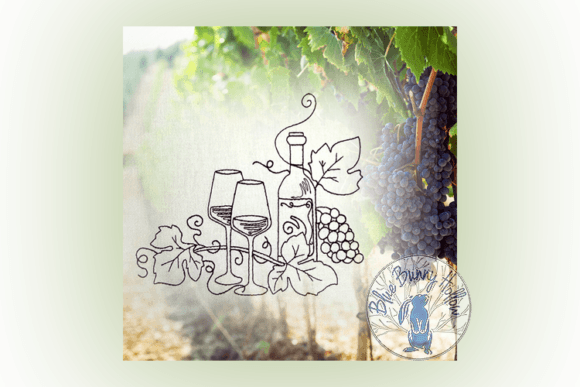
I recently had the chance to preview Wine Tasting 2, a new entry in the digital embroidery file market, and I immediately started visualizing it on my craft fair display table. As an experienced designer who has spent years refining products for handmade markets, I know that a design is only as good as its ability to stop a passerby in their tracks. This piece promises to "indulge in the art of wine" with exquisite linework, capturing the essence of wine culture through stemmed glasses and lush grapevines. But does it translate from a screen to a finished product that sells? Let's break down exactly how this design performs in the real world.
First Impressions: Elegant Meets Rustic Charm
When you first look at Wine Tasting 2, the immediate feeling is one of sophisticated rusticity. It strikes a perfect balance between modern minimalism and traditional farmhouse aesthetics. The description mentions "exquisite linework," which suggests a clean, delicate style rather than a heavy, blocky fill. For a booth selling high-end handmade goods, this is crucial. Customers at craft fairs are often looking for items that feel personal and artisanal, not mass-produced. This design offers that premium touch without being overly ornate or cluttered.
The imagery of stemmed wine glasses paired with succulent grapevines creates a natural narrative. It isn't just a picture; it tells a story of relaxation, harvest, and enjoyment. In a crowded market aisle, this kind of storytelling is what converts a glance into a sale. It feels festive yet timeless, making it suitable for year-round sales rather than just a seasonal novelty.
Product Potential: Where Wine Tasting 2 Shines
If I were curating a collection for a weekend vendor event, Wine Tasting 2 would be a cornerstone piece for several specific product categories. Here is where I see the highest return on investment for this embroidery file:
- Tote Bag Design: A sturdy canvas tote featuring the graceful curve of the wine glass stem and trailing vines is a crowd-pleaser. The design works beautifully as a central focal point or repeated across the bag for a pattern effect. It appeals directly to the eco-conscious shopper who loves a chic accessory.
- Apron Embroidery: For the kitchen-focused crafter, placing this design on a linen apron adds a touch of class to cooking gear. The linework stands out well against solid colors like navy, sage green, or cream, making it a standout gift item for foodies.
- Tea Towel Embroidery: This is perhaps the most practical application. The intricate details of the grapevine can be showcased on a long, narrow tea towel. It serves as both a functional kitchen tool and a decorative piece, increasing the perceived value of the finished product.
- Embroidered Patch: If the stitch density allows, this could be trimmed and used as a high-quality patch for denim jackets or hats. The clear definition of the glass and leaves makes it ideal for a detachable accessory.
- Fabric Pouches and Pillow Covers: Smaller items like cosmetic pouches or accent pillows benefit from the elegance of this design. It elevates a simple cotton pouch into a luxury gift set.
For Etsy sellers and boutique makers, having a versatile design like this means you can create a cohesive brand identity across multiple SKUs. Whether you are selling a single small shop product or a full line of commercial embroidery goods, Wine Tasting 2 provides the consistency needed to build trust with your customers.
Production Practicalities and Visual Appeal
Moving beyond the concept, the actual production process is where many designers get tripped up. When evaluating Wine Tasting 2 for batch production, clarity is key. At a craft fair, customers often view products from a distance before picking them up. Does the design hold up? The mention of "linework" suggests that the lines should remain distinct even if the design is scaled slightly smaller. However, you must ensure that the tiny details in the grapevine leaves do not merge together during stitching.
Photography for online listings is another critical factor. A design with fine lines and organic curves photographs exceptionally well because it catches light and shadow, adding depth to your printable mockup images. This visual depth translates directly to higher click-through rates on your Etsy seller storefront. Furthermore, the design appears repeatable. You can easily arrange multiple instances of the motif on a larger surface, such as a set of napkins or a large banner for your booth, creating a strong visual impact that draws people in.
Careful Use Notes: Avoiding Common Pitfalls
While this design looks promising, there are specific areas where caution is required to maintain quality. As a professional, I always advise testing before committing to a full run.
Stitch Density and Tiny Details: If the grapevine includes very small leaves or thin tendrils, these areas might become congested if the stitch density is too high. On thick fabric or textured towels, excessive stitching can cause puckering or make the fabric stiff. Always check the file to see if these delicate areas require a lighter underlay or a different thread weight.
Curved Surfaces: Applying this design to a cap requires careful hoop placement. The curvature of a baseball cap can distort straight lines, so you may need to adjust the digitization or use a specialized cap frame to ensure the wine glass doesn't look tilted. Similarly, on dark fabric, the contrast of the thread colors is vital. Lighter threads might get lost in the weave of a dark linen, so select your thread colors wisely to ensure visibility.
Small Lettering: While the current description focuses on imagery, if you plan to add text later, ensure any lettering remains legible. Small text on curved surfaces or small patches often becomes illegible to the naked eye.
Designer's Checklist for Success
To maximize the potential of Wine Tasting 2 and ensure your finished product meets the high standards of your brand, follow these essential steps before hitting the market:
- Test on Scrap Fabric: Never skip the test run. Stitch the design on the exact same fabric you intend to sell. This reveals how the material reacts to the needle and stabilizer.
- Check Thread Contrast: Ensure your chosen thread colors pop against the background. High contrast equals better visibility at a distance.
- Review Spacing and Hoop Size: Confirm that the hoop size accommodates your intended product without cutting off parts of the vine or glass. Proper spacing prevents crowding.
- Inspect Stitch Density: Look closely at the grapevine areas. Are they too dense? Too sparse? Adjust the settings if necessary to prevent puckering.
- Select the Right Stabilizer: Different fabrics require different support. A cut-away stabilizer might be needed for stretchy knits, while tear-away works best for stable wovens like cotton tea towels.
- Create Real Mockups: Don't rely solely on digital renders. Create at least one physical sample to photograph. Real lighting and texture convey authenticity.
- Confirm Commercial Licensing: Before selling your craft fair product, double-check the license terms of the digital embroidery file. Ensure you have the right to sell finished items made with this design.
In conclusion, Wine Tasting 2 is a compelling asset for any creative entrepreneur looking to expand their inventory. Its blend of elegance and rustic charm fits perfectly into the current demand for handmade, artisanal goods. By paying attention to the technical details of production and focusing on high-value products like aprons and totes, you can turn this design into a bestseller that captures the attention of buyers everywhere.